
Category: 1-Minute Reads
-
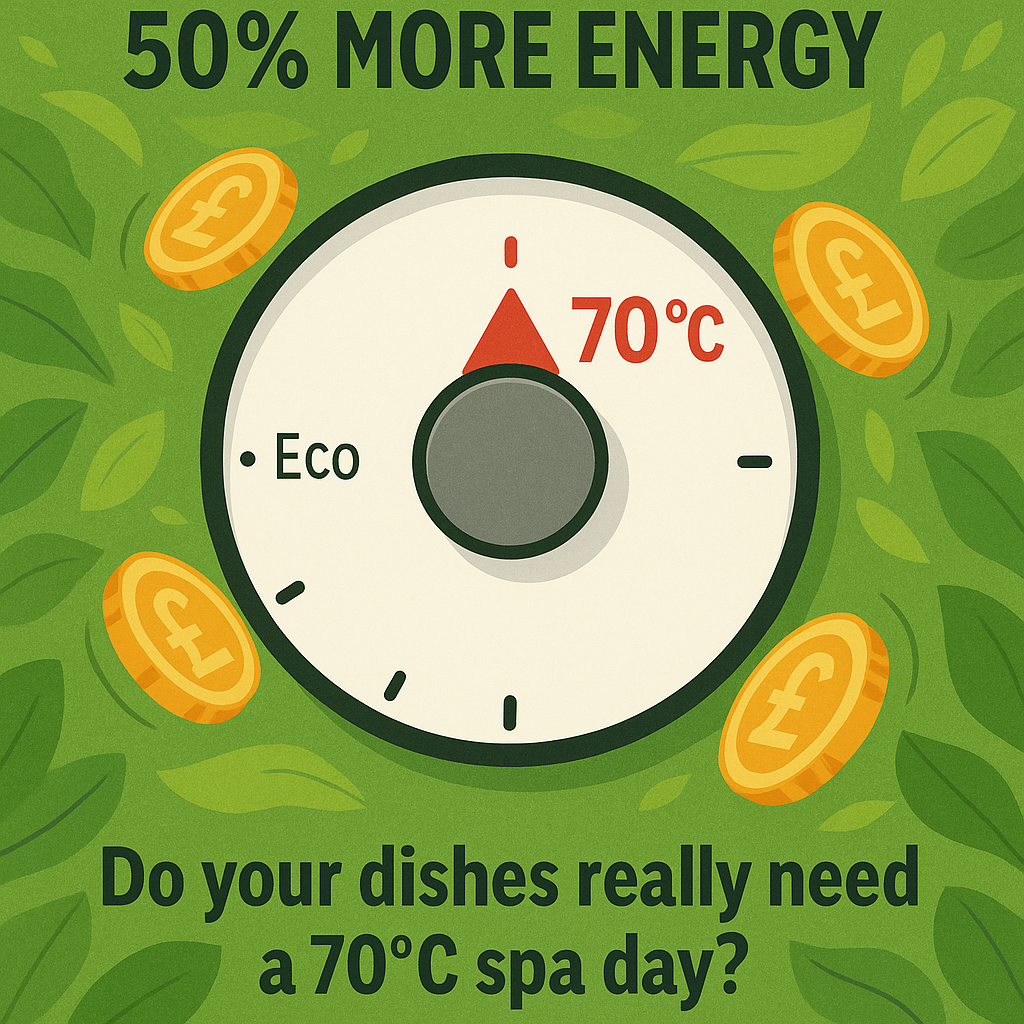
Hotter Isn’t Always Smarter: The Hidden Cost of Cranking Your Dishwasher to 70°C
Most of us don’t give much thought to the temperature setting on our dishwasher. Eco. Normal. Intensive. We pick the one that sounds right and hit start. But what if that choice meant a tangible difference in your energy bill, and your carbon footprint? Let’s break it down. Heating Water = Energy. The Higher the…
-

Hand Calculations vs Software: Are You Engineering or Just Clicking?
Let’s get something out of the way first: We love software. We build it. We use it. Sometimes we even dream in Python. But every now and then, someone sends us a set of results that just don’t add up. Literally. When we ask how they got there, the answer is almost always: “Well… the…
-

Why Low-Flow Fixtures Aren’t Always Sustainable
Low-flow taps and showers are often seen as quick wins for sustainability. They reduce water consumption, but that’s only part of the picture. In buildings with long pipe runs, especially in larger residential or commercial setups, low-flow fixtures can actually increase hot water energy use. Why? Because they delay hot water delivery, meaning users run…
-
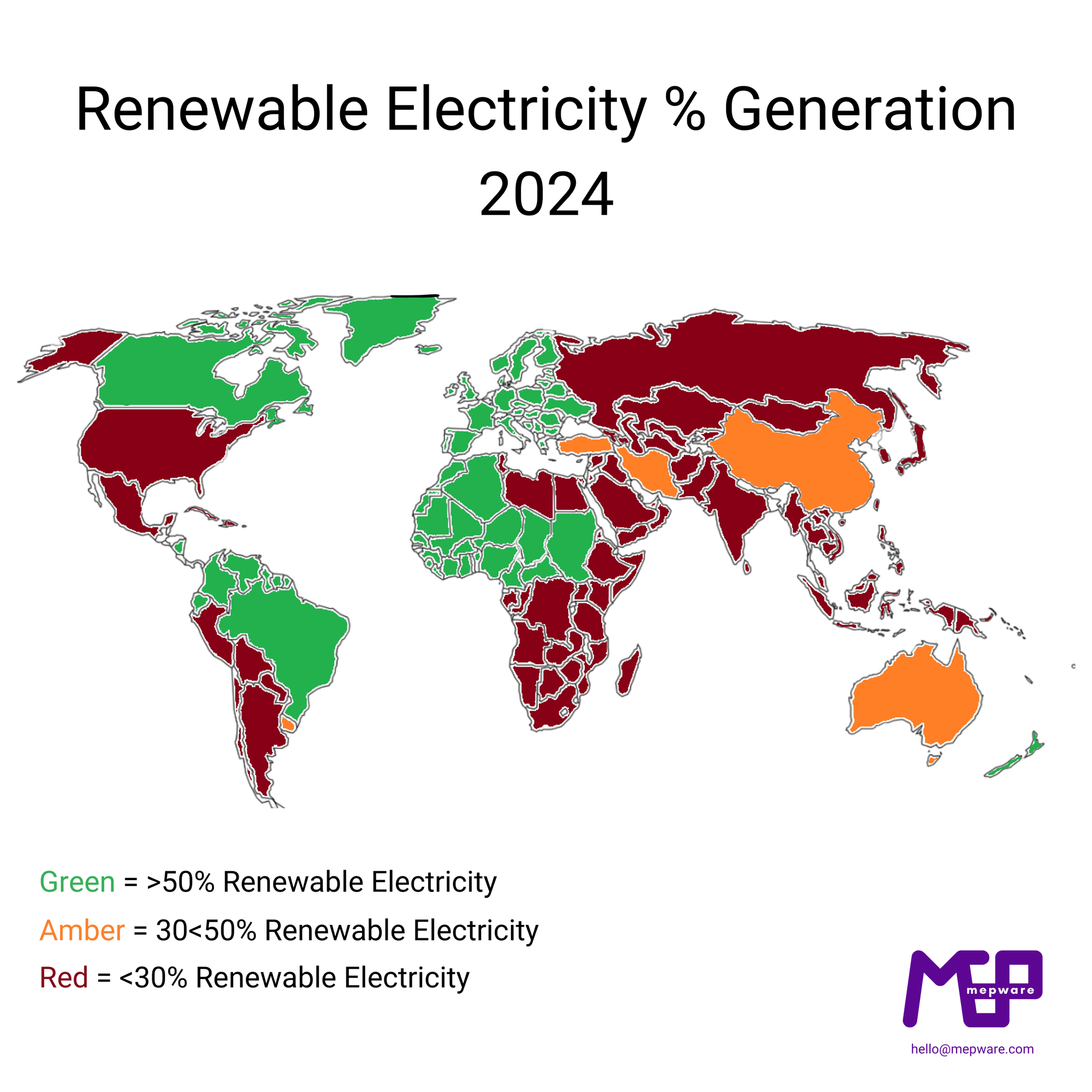
How Much of the World’s Electricity Comes from Renewables?
The global shift toward renewable electricity is well underway, but progress is uneven. The shift toward sustainable, low-carbon energy is critical for reaching net-zero targets, and MEP consultants are playing an increasingly important role in enabling this transition through smart building services design and infrastructure planning. As of the latest figures, around 30% of the…
-
Cracking Embodied Carbon: How TM65 Helps MEP Engineers Do Better
When it comes to carbon emissions in building services, attention is often drawn to operational energy, and how efficiently a building performs when it is being used. Another significant piece of the puzzle, though, is embodied carbon. This term relates to the greenhouse gas emissions associated with a product’s entire life cycle, which includes pre-use…
-
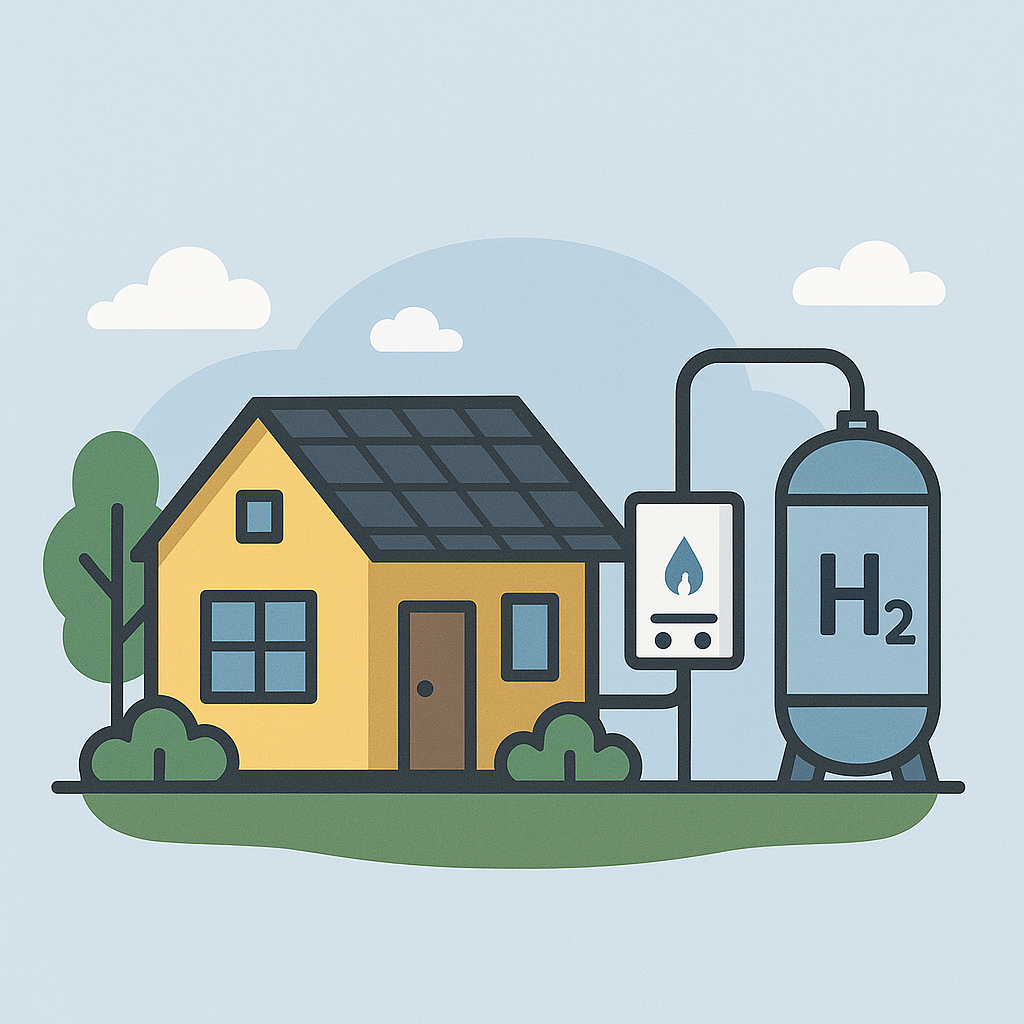
The Reality of Hydrogen Heating: Can We Retrofit?
At first glance, hydrogen can seem like an attractive heating technology, but are we underestimating the challenges that this technology poses? Is widespread retrofitting realistic? For a while, hydrogen was touted as being the future of heating, but its practicalities amongst our existing building stock remains a live debate. The majority of gas boilers are…
-

Substation Overload: Are Heat Pumps Putting Our Grid at Risk?
The UK and similar countries are well underway in transitioning to heat pumps, but it is not certain that consequences concerning the electrical grid have been properly considered. Gas boilers operate independent of the electrical grid, whilst heat pumps shift the heating demand completely into electricity. If this is scaled across entire streets, neighbourhoods and…
-

Retrofit or Rebuild? A Mechanical Perspective on UAE vs. UK Energy Strategies
The UAE and UK take different approaches to mechanical building services. The UAE invests heavily in large-scale, high-tech developments, while the UK focuses on retrofitting older infrastructure. Investment & Space The UAE creates land; Projects like Palm Jumeirah drive demand for district cooling, desalination, and smart infrastructure [1]. The UK, constrained by space, must adapt…